Why Arcadia Is the Most Livable Neighborhood in Phoenix
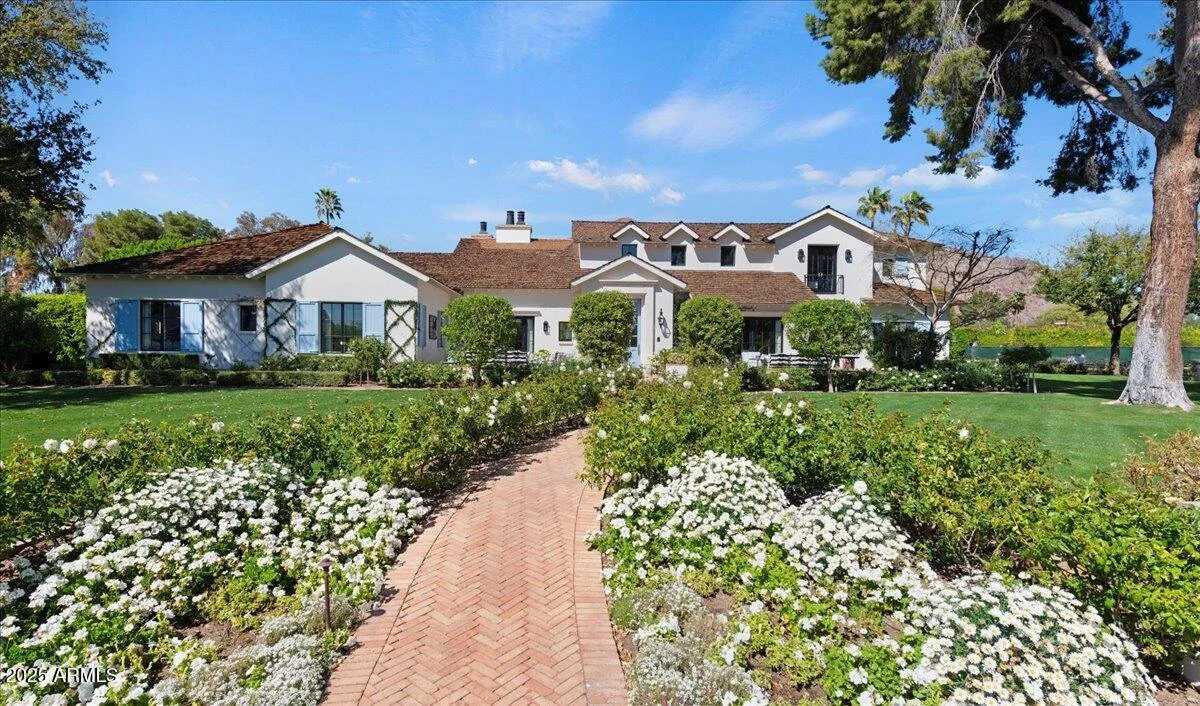
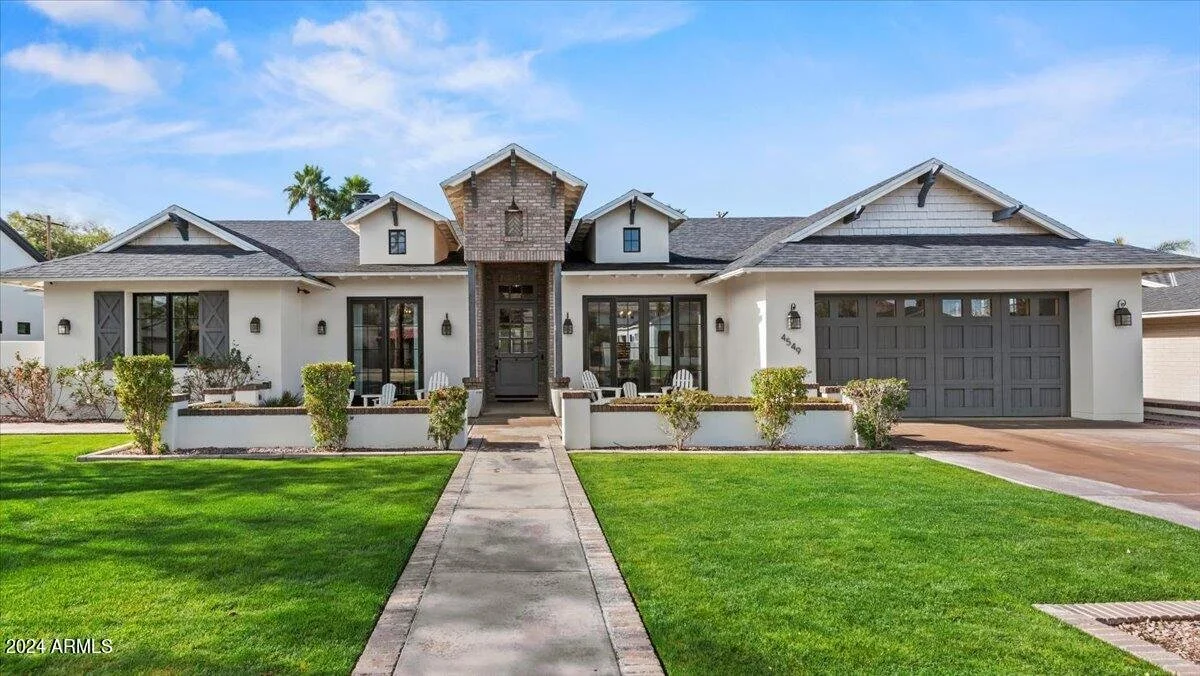
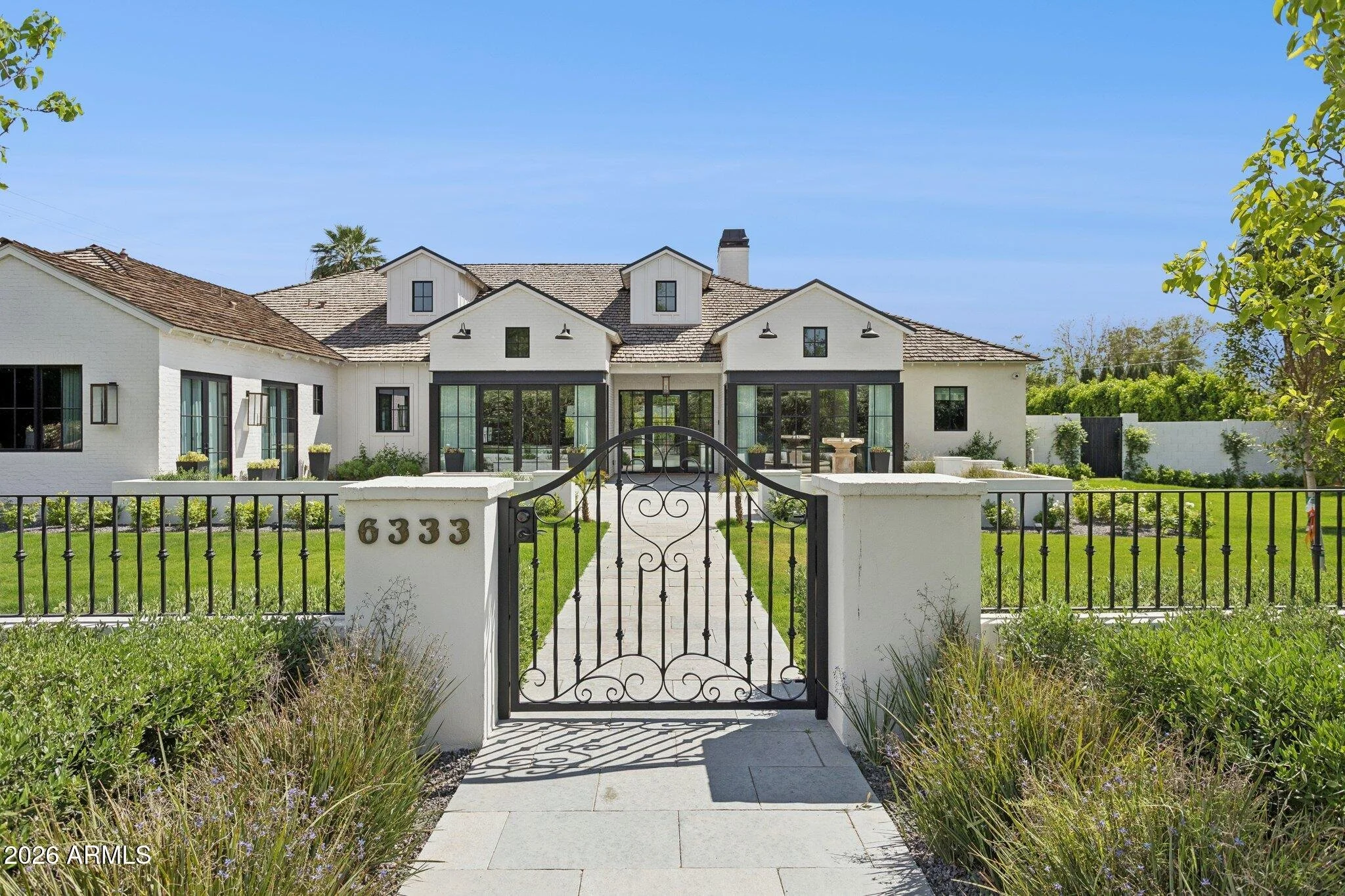
It's not just the price tags that set Arcadia apart. It's the shade, the pace, the restaurants you can walk to, and a sense of place that took decades to build — and simply can't be manufactured from scratch.
People ask me all the time what makes Arcadia different. And honestly, it's hard to put into a single sentence — which is exactly the point. The neighborhoods that are easiest to describe in one line are usually the ones that were designed to be described that way. "Golf course community." "Gated luxury enclave." "Master-planned resort living."
Arcadia doesn't have a tagline. It has a feeling. And once you've spent time there — walking the canal in the morning, grabbing a table at Postino on a Tuesday, driving down streets canopied by trees that have been growing since before most of Phoenix existed — you start to understand why people who live there almost never want to leave.
Here's what actually makes Arcadia the most livable neighborhood in Phoenix, and why that livability is something no newer development can simply build overnight.
The trees — and what they actually represent
Let's start with the most obvious thing you notice when you drive into Arcadia for the first time: the trees. Not desert landscaping. Not a few ornamental palms lining a driveway. Actual, mature, canopy-forming trees that arch over the streets and flood the neighborhood with a quality of shade that is genuinely rare in the Valley.
Arcadia was citrus country before it was a neighborhood. The agricultural roots of this area left behind a legacy of mature plantings, deep irrigation, and lush green that gives the neighborhood a visual and sensory texture that takes generations to develop. You cannot build a new subdivision and plant your way to what Arcadia has. You simply have to wait — and most buyers aren't willing to wait that long.
"There's a reason Arcadia feels different the moment you turn off Camelback. It's not a design choice. It's decades of growth, and it shows."
Beyond the aesthetics, those trees do something practical too: they provide real shade, soften the heat, and make outdoor living more comfortable for more of the year than almost anywhere else in Phoenix proper. For a neighborhood where outdoor living is central to the lifestyle, that matters more than most buyers realize until they've spent a summer there.
The Arizona Canal path: a neighborhood amenity you can't put on a spec sheet
Running straight through the heart of Arcadia, the Arizona Canal path is one of the most underrated lifestyle amenities in all of metro Phoenix. It's where the neighborhood walks its dogs, runs its miles, bikes to brunch, and exhales after a long day — and it connects Arcadia to a much larger network of paths that stretch across the Valley.
What makes the canal path feel different from a typical trail or greenbelt isn't just the waterway views and native landscaping. It's the energy. On any given morning you'll see the same familiar faces — dog walkers, stroller pushers, serious runners, casual strollers — and over time that daily rhythm builds something that feels less like a park amenity and more like a neighborhood living room.
That kind of organic, daily-use community infrastructure is genuinely hard to replicate. You can build a walking path in any new development. You can't manufacture the feeling of a neighborhood that has been gathering there for years.
Arcadia · Dining Guide
This isn't a strip mall cluster of chain restaurants. It's a genuine, locally-driven food and drink culture that has built up organically over years — and keeps getting better.
Wine & Brunch
Postino Arcadia
Rustic wine café energy, bruschetta boards, and a patio that was made for a slow weekend afternoon.
All-day Dining
The Henry
Bright, beautifully designed, and buzzy from breakfast through cocktail hour. A true neighborhood anchor.
Brewery & Patio
O.H.S.O. Brewery
Dog-friendly, spacious, and reliably good. The kind of place that becomes your default Tuesday answer.
Specialty Coffee
Cartel Coffee Lab
Expertly crafted drinks in a chic modern space. A morning ritual for Arcadia's design-forward crowd.
Local Favorite
Mai Thai
Fresh, flavorful, and genuinely beloved by locals. The kind of neighborhood spot that earns its regulars.
Farm to Table
The Herb Box
Creative seasonal dishes in a warm, approachable setting. Ideal for brunch or a casual dinner.
Most of these are within easy reach of the neighborhood's core — which means that on the right evening, you can walk to dinner, stop for a drink on the way home, and never once get in your car. In Phoenix. That's not nothing.
The texture that newer neighborhoods simply can't replicate
This is the hardest thing to articulate — and the most important. Arcadia has texture. It has a mix of architectural styles, lot sizes, eras, and personalities that gives it a layered, lived-in quality that newer neighborhoods, by definition, don't have yet.
You'll find a beautifully restored mid-century ranch sitting next to a sleek modern new build sitting next to a sprawling traditional estate on a citrus-lined lot. The neighborhood isn't uniform — and that's exactly what makes it feel real. Planned communities are cohesive by design. Arcadia is cohesive by history, and those are two very different things.
01
Architectural variety
Restored ranches, modern new builds, and sprawling traditional estates — often on the same block.
02
Deed restrictions
No HOA, but deed restrictions protect lot sizes and character — a rare combination in Phoenix.
03
Central location
Tucked between Scottsdale, Old Town, and the Biltmore — everything is close without the congestion.
04
Community feel
Neighbors who know each other, a canal path that doubles as a gathering space, local businesses that stick around.
Arcadia wasn't designed to feel like a neighborhood. It just became one — and that distinction is everything.
Who Arcadia is really for
In my experience, Arcadia attracts a very specific kind of buyer — and they tend to recognize the neighborhood the moment they spend time in it. They're people who care about how their daily life feels, not just how their home looks on paper. They want to walk somewhere for coffee. They want a backyard that works year-round. They want neighbors, not just proximity to neighbors. And they want a home that fits into a real neighborhood with real history — not a development that was finished last year and is still figuring out its identity.
If that sounds like you, Arcadia is worth understanding deeply before you make any decisions about where to buy in the Phoenix area. It consistently holds its value, attracts strong demand, and — most importantly — produces buyers who are genuinely glad they chose it, year after year.
If you're exploring Arcadia and want someone who knows the neighborhood intimately and can help you find the right home within it, I'd love to connect.
Warmly,
Molly
Molly Rodham and Jared Rodham are the husband-and-wife team behind Jared & Molly with The Avenue Collective in Scottsdale, working in Arcadia, South Scottsdale and central Phoenix for 11+ years. Thinking about a move here? Call or text 602-748-7289.